Guide
Travel
SOUTH AFRICA


The soul of South Africa merges into one extraordinary adventure, between deep history, epic safaris and magical coasts


10‑Day South Africa Itinerary: Johannesburg, Kruger & Cape Town Best places
Travelling to South Africa is not only about famous viewpoints, or driving between well‑known landmarks, It's a deep and powerful blend of sad history, untamed wildlife, and of course and dramatic landscapes shaped by mountains and ocean.
We spent 10 days discovering South-Afirca, beginning with four days in Johannesburg, including a full day venturing through the immense wilderness of Kruger National Park, and continuing with six days exploring Cape Town’s dramatic coastlines, rugged peaks, penguin colonies, and vibrant neighborhoods.
If you’re dreaming of a similar journey, we’ll guide you through the route we followed and share the insights that helped us shape this unforgettable adventure.
But why South Africa?
South Africa is a very contrasted and beautiful country at the same time. Every corner has its own history and vibes: the emotional echo of Johannesburg, the calm immensity of Kruger’s savannas, and the cinematic horizons of Cape Town where mountains drop into turquoise waters.
For us, one of the highlights was the breathtaking sunset we witnessed from the top of Lion’s Head in Cape Town, so surreal that we never imagined standing at that altitude, watching the sun melt into the ocean. It perfectly matched the laid‑back atmosphere of the city, where ocean breezes and warm mountain light make every moment feel calm and magical.
Day 1: Arrival in Johannesburg
We landed at O.R. Tambo International Airport where the warm South African air greeted us immediately. As we drove toward the city, Johannesburg slowly started revealing its layers, busy highways, clusters of jacaranda trees, street vendors weaving between cars.
Before anything else, we learned how important it is to choose your accommodation wisely. Safety varies a lot from one neighborhood to another, and it’s not a place where you simply pick the cheapest hotel and hope for the best. We heard a few unpleasant stories from locals and other travelers, so we took our time researching where to stay. We chose :
👉The Max Hotel Sandton, located in Illovo, a calm and reputable area where we felt comfortable and secure throughout our stay. Don’t let this scare you, Johannesburg’s complex safety reputation is part of its history and identity, and once you know where to stay, you can enjoy the city with more peace of mind.
That first evening, we checked into the hotel, opting for comfort over luxury, exactly what we needed after our. Our plan was simple: settle in, enjoy a quiet dinner, and get ready for a city that invites you to observe, absorb, and understand before making any judgment. Our advice: keep your arrival day slow. Johannesburg has intensity in its DNA, and being rested makes all the difference before you begin exploring its stories.


Day 2: Johannesburg – History, Memory & Modern Life
The next morning, we set out to understand Johannesburg’s soul. Our first stop was the Apartheid Museum, a place that doesn’t simply educate but immerses you in the country’s past. Walking through its corridors, reading the stories, seeing the photos, the weight of history becomes real. It’s one of the most striking cultural experiences we’ve ever had.
We continued to Constitution Hill, where the walls still carry echoes of the struggle for freedom. What makes Johannesburg unique is how present the past feels, like the city is constantly reminding you how far it has come.
Later, we visited Mandela’s former home stood quietly, holding decades of meaning. Johannesburg can feel raw, but it’s honest, vibrant, and full of life.
Descending deeper into the neighborhoods wasn’t something we did alone; safety in Joburg is about being informed and guided, we always used Uber to move around, and avoided walking on foot. With the right approach, the city becomes not threatening, but enlightening.


Days 3–4: Kruger National Park – Into the Wild
If Johannesburg stirs your mind, Kruger awakens your senses. Before sunrise, we left the city and began the long drive toward the park. The distance is long, roughly 4 to 4.5 hours depending on which gate you enter, but the drive itself is surprisingly easy.
The main roads are fully paved, well‑signposted, and straightforward to navigate, even if it’s your first time driving in South Africa. As darkness faded, the landscape gradually shifted from urban edges to open fields, scattered villages, and long stretches of quiet countryside. By the time we reached the Kruger gate, the sky had turned soft gold.
Self‑driving inside the park is completely doable: the internal roads are a mix of tarred routes and well‑maintained gravel tracks, and the speed limits mean you naturally move slowly, scanning the bush for signs of life. If you’re not particularly lucky spotting animals at first (and it happens) one useful tip is to occasionally follow (from a respectful distance) the path of an organized safari vehicle. The guides know the terrain better than anyone, and we learned that using their expertise discreetly can make a big difference. We did it a few times, and every time it helped us find animals we might have missed on our own.
Kruger’s magic lies in its unpredictability. One moment everything feels still, and the next, a movement in the grass revealssomething. Elephants appear with no warning, giraffes glide across the plains with their slow. You never know what is waiting just around the bend, and that’s what keeps every minute exciting.
The park’s entrance fees are structured for international visitors (around R450–R500 per adult (25 US$ to 30 US$), varying slightly by season), and you pay directly at the gate after showing your passport.
Once inside, the whole experience becomes wonderfully fluid: you drive from viewpoint to viewpoint, stop in designated rest camps for bathroom breaks and food, and enjoy the freedom of exploring at your own pace. We spent the entire day doing exactly that, pausing at picnic sites for lunch and letting the park dictate the rhythm.
As sunset approached, the sky shifted into deep oranges and pinks, casting long silhouettes of acacia trees across the horizon. Driving back toward Johannesburg that evening, tired but completely exhilarated, we realized that Kruger isn’t just a safari, it’s an immersion into the raw, unfiltered pulse of the wild. It’s the kind of day that stays with you long after you leave.


Day 4: Flight to Cape Town
From Johannesburg, it’s a short flight to Cape Town, yet it feels like traveling to another country. As we landed, the first thing we saw from the plan was the majestic Table Mountain rising above the city like a giant stone guardian.
The air in Cape Town felt cooler, fresher, and instantly soothing after Joburg’s intensity.
From the very first hours, the city felt noticeably safer and more relaxed than Johannesburg, which immediately put us at ease. We had intentionally looked for an active and secure neighborhood, somewhere central yet comfortable, and ended up staying at 👉 Avenue One Apartments, just a short walk from the Parliament Chambers. The area was vibrant during the day, calm in the evening, and well‑located enough that we could walk around safely, something we truly appreciated after the intensity of Joburg.
We spent the rest of the day exploring the V&A Waterfront, a lively mix of boats, cafés, restaurants, and music. The ocean breeze, combined with mountain views, introduced us to Cape Town’s unique balance of energy and peace.
By sunset, we were sitting in Camps Bay, watching the sky melt into soft pastels. It was the perfect beginning to the second half of the trip.

Days 4–10: Cape Town – Life Between Mountains and Ocean
We spent our days in Cape Town discovering its dramatic scenery and lively districts. With everything so accessible, we managed to see a lot in just a few days.
Camps Bay & Coastal Rhythm
Our first days in Cape Town were spent to explore the coast, waking up early and walking to the sound of waves and the sight of the Twelve Apostles mountain range. Just like 👉 Zanzibar’s laid‑back villages, the rhythm here is slow and soothing. Mornings started with seaside walks, fresh coffee, and the gentle sound of the ocean rolling in.

Table Mountain & Lion’s Head – The Peaks of the City
One of the highlights was ascending Table Mountain. Whether you hike or take the cable car, the views from the top feel infinite. The following day, we climbed Lion’s Head at sunset. The light spilled over the city, revealing the curves of the coastline, and for a moment, it felt like the entire world was quiet. These two peaks give Cape Town its identity: wild nature woven directly into urban life


Cape of Good Hope & Chapman’s Peak
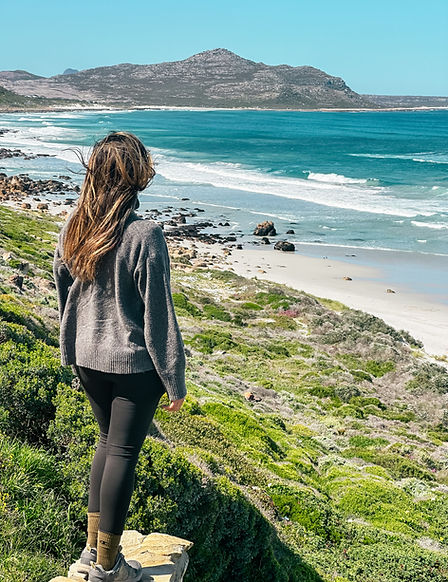
We dedicated a full day to exploring the Cape Peninsula, 👉 Renting a car early in the morning so we could move at our own pace and stop wherever the road tempted us. The drive itself was part of the experience: long stretches of coastal curves, dramatic cliffs, and the ocean constantly shifting in color beside us.
There are also many full-day arranged and guided tours tours, with hotel pickup in Cape Town, we recommend this tour in case you dont' want to rent a car in Cape Town :
👉 Day Trip to the Cape of Good Hope, Boulders Beach, Chapman's Peak, Hout Bay, Maiden's Cove, Seal Island, Lighthouse Point, Muizenberg Beach
Install GetyourGuide App and use our code to get 5% discount : SMCHRONICLES5
Chapman’s Peak Drive remains one of the most breathtaking roads we’ve ever seenm cliffside turns carved into the mountain, powerful waves crashing far below, and endless blue horizons stretching into infinity.
Along the way, we made a stop in the famous colorful beach huts of Muizenberg, bright and iconic against the white sand; the peaceful shoreline of St James; the fishing village charm of Kalk Bay; and the quiet beauty of Noordhoek Beach, wide and wild under the wind.
Each stop offered its own rhythm, from surfers riding the waves to fishermen mending their nets.
Reaching the Cape of Good Hope felt symbolic, standing at the edge of the African continent, surrounded by rugged cliffs sculpted by wind and water.
The entire route blends postcard‑perfect views with the raw force of nature. Renting a car for the day gave us the freedom to explore freely, stop for photos, enjoy seaside cafés, and truly absorb the contrasts of the peninsula. It was one of the most memorable days of our trip.


Boulders Beach & Bo‑Kaap – Penguins & Colors
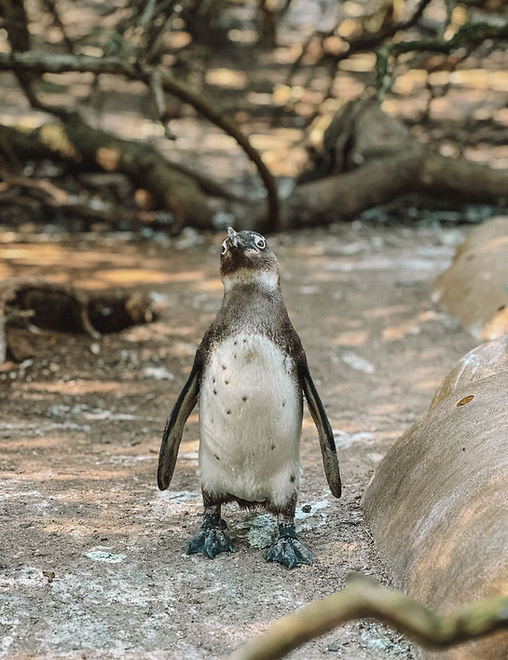
Another day was devoted to Boulders Beach, home to a colony of African penguins. Watching them waddle along the sand and swim through clear turquoise water felt surreal. Later, we visited Bo‑Kaap neihberhood, where colorful houses line steep cobbled streets, each one carrying a chapter of Cape Malay culture. The mix of colors, spices, and history made this one of the most vibrant areas of Cape Town.
Whale Watching
We had planned to go whale watching in Hermanus, one of the best spots in the world to see southern right whales between June and November, especially at the peak in September and October. You can either book a boat tour with a local operator or watch them from the cliffs when they swim close to shore. Unfortunately, we didn’t have enough time to fit it into our trip, but it’s definitely something we’ll come back for next time..


Complete Budget Guide: How Much Does a 10-Day in South Africa Trip Cost?
Thanks to the favorable South African rand, a trip combining Johannesburg, Kruger, and Cape Town can be surprisingly affordable. Verified travel reports show that a 10‑day itinerary across these regions offers excellent value, especially compared to other long‑haul destinations.
1. International Flights
Flight cost varies by season and origin:
-
US → South Africa: $700–$1,300 round‑trip
-
Europe → South Africa: $550–$950
-
Middle East → South Africa: $450–$750


2. Accommodation Costs
Johannesburg
Hotels are affordable, but choose safe neighborhoods (Rosebank / Sandton / Illovo):
-
Mid‑range hotel: $45–$80 per night
-
Higher‑end: $110–$160 per night
Kruger National Park (Area)
Safari stays vary widely:
-
Budget rest camps: $45–$85
-
Mid‑range safari lodge: $160–$270
-
Luxury lodge: $350–$1,200+ per night (Safari accommodation is the biggest cost of the trip)
Cape Town
Cape Town hotels are pricier:
-
Good central hotel or apartment: about $160–$180 per night for a double room
-
Great‑value apartment rentals: $55–$70 per night (excellent savings)
TOTAL accommodation for 10 days:
→ $550–$1,400 per person depending on travel style.


3. Transportation Costs
Car Rental
Highly recommended, especially for Kruger & Cape Town.
-
Average cost: $38/day → $550 total for 2+ weeks
Fuel
-
Much cheaper than Europe.
-
About $160 for Johannesburg → Kruger + Cape Town + Panorama drives
Tolls
Common near Johannesburg & Panorama Route:
-
Expect around $27 total
Local Transport (Uber)
-
$3–$8 per ride
Uber is reliable and commonly used in both Joburg and Cape Town.


4. Activities & Entry Fees
Kruger National Park
-
Entrance fee: $25–$30 per person (international visitor rate)
-
Guided safari: $55–$130
-
Budget 3‑day safari package: $600 all‑inclusive (entry, meals, drives included)
Cape Town
Mostly low‑cost or free:
-
Table Mountain cable car: $22–$28
-
Robben Island: $27
-
Beaches, viewpoints, coastal routes: free
-
Wine tastings: $4–$8 per tasting
Johannesburg
-
Apartheid Museum: $7–$10
-
Soweto tours: $25–$45
Total activity budget for 10 days:
→ $220–$450


5. Food & Drinks
South Africa offers excellent food at very good prices.
-
Normal restaurant meal: $8–$18
-
Higher‑end dining: $25–$40
-
Groceries for self‑catering: cheap and high‑quality
Daily food budget: $15–$25
→ $150–$250 total for 10 days
6. Total Estimated Budget (Excluding international flights)
Budget Traveler
Simple accommodation, self‑drive, minimal extras
→ $1,350 – $1,900
Mid‑Range Traveler
Mix of hotels & an affordable safari lodge
→ $2,000 – $2,900
Comfort Traveler
Excellent hotels + full safari experience
→ $3,000 – $4,500
Money‑Saving Tips
-
Choose apartments in Cape Town to cut accommodation & food costs.
-
Rent a compact car, cheaper on fuel and insurance.
-
Avoid packaged safaris; self‑drive Kruger and book guided drives on site.
-
Visit during shoulder seasons (March–May / Aug–Oct).
-
Use Uber in big cities, safe and cheap.


Best Time to Visit South Africa: A Complete Seasonal Guide
South Africa is a country of staggering diversit, and because the country spans multiple climates, there’s no single “perfect” time to visit. Instead, the best time depends entirely on what you want to experience
Spring (September – November)
Best for: mild weather, wildflowers, hiking, wine regions, general sightseeing
Spring is one of the most beautiful times to visit South Africa. Temperatures are pleasant, landscapes burst into colour, and wildlife becomes active after the winter season. This period is excellent for safaris in Kruger, scenic drives, and exploring Cape Town in comfortable weather.
It also overlaps with Namaqualand’s famous flower season, making it a dream for nature lovers.
Summer (December – February)
Best for: beaches, coastal road trips, Cape Town, Garden Route, surfing, city life
Summer brings warm, sunny days and festive energy, especially in Cape Town, where daytime temperatures often range between 25°C and 35°C (77–95°F). This is peak beach season for Clifton, Camps Bay, Durban, and the Garden Route. Expect lively events, outdoor dining, and plenty of sunshine.
Do note that Kruger is lush and green in summer, beautiful, but animals can be harder to spot.
Autumn (March – May)
Best for: wine tasting, photography, wildlife before winter, fewer crowds
Autumn is often considered one of the best all‑round seasons. The weather is calm, the crowds thin out, and the vineyards of Stellenbosch and Franschhoek glow in warm golden colours. It’s an ideal moment for combining safari, coastline, and city visits without extreme heat or high‑season pricing.
Travel experts often praise late March and April as some of the most balanced months of the year.
Winter (June – August)
Best for: safaris, whale watching, stargazing, clear skies
Winter is the prime safari season in Kruger and other northern reserves. Cool, dry weather means animals gather around waterholes and visibility is excellent. It’s also the best time for southern right whale watching along the coast near Hermanus (June–October).
Cape Town is cooler and may be rainy, but its mountains and coastlines remain spectacular with crisp, clear air.


Best Time by Activity
Best time for safari:
May – September
Dry season = sparse vegetation, excellent visibility, animals near water
Best time for beaches:
November – March
Warm, sunny weather ideal for Cape Town, Garden Route, Durban
Best time for wine regions:
March – May
Autumn colours + perfect temperatures
Best time for whale watching:
June – October
Peak southern right whale sightings in Hermanus
Best time for wildflowers:
August – September
Namaqualand and West Coast in full bloom
So, when is the best overall time?
While South Africa is a year‑round destination, two periods stand out for most travellers:
-
April – May → Perfect balance of weather, wine regions, safari visibility, and fewer crowds.
-
September – October → Excellent for wildlife, flowers, whale watching, and pleasant weather across the country
These months offer the most consistent conditions for multi‑destination trips (Johannesburg → Kruger → Cape Town).


Packing List for a South Africa Combo Trip
A trip that combines Johannesburg, Kruger National Park, and Cape Town requires thoughtful packing. You’ll experience completely different climates, activities, and vibes.
Clothing for a Multi‑Destination Trip
South Africa’s climates vary dramatically: urban Johannesburg, chilly safari mornings in Kruger, and windy coastal Cape Town. Pack for layers and versatility
For Johannesburg & Cape Town
-
Lightweight tops & t‑shirts
-
Comfortable jeans or casual pants
-
Shorts or skirts
-
A warm light jacket or windbreaker (Cape Town gets windy)
-
A sweater or fleece for evenings
-
Comfortable walking shoes
-
Sandals or casual shoes
For Kruger Safari
Safaris need neutral colors and practical layers:
-
Neutral tops (khaki, olive, beige)
-
Long‑sleeve shirts for sun protection
-
Breathable trousers
-
Closed walking shoes or trainers
-
Warm fleece for early morning drives
-
Hat with brim
-
No bright colors or strong perfume
Electronics & Travel Accessories
-
Universal travel adapter
-
Power bank
-
Portable charger
-
Headphones
-
Ziplock bags / waterproof pouches (safari dust + beach sand protection)
Essential Documents & Travel Prep
Before anything else, make sure your paperwork is organized and accessible:
-
Passport with at least 6 months validity
-
Printed hotel confirmations
-
Travel insurance documents (highly recommended)
-
Visa (if required for your nationality)
-
International Driving Permit if your license is not in English
-
Photocopies / digital scans of all documents
-
Emergency contacts
-
Yellow fever certificate if coming from an at‑risk country
A simple travel pouch is helpful for keeping everything in one place
Money & Security
Safety practices matter in Joburg and Cape Town:
-
Money belt or hidden pouch
-
Local currency (ZAR)
-
Backup credit/debit card
-
Minimal jewelry
Keep valuables discreet and spread across different bags.
For Road Trips & Self‑Drive Travelers
-
South Africa is extremely road‑trip‑friendly:
-
Printed or offline maps (signal can drop in Kruger)
-
Snacks for long drives
-
Car phone mount
-
Toll cash/credit card
-
Extra water
-
Small cooler bag
Final Tips
-
Pack lightweight layers, weather shifts quickly.
-
Bring neutral clothing for safari to blend with nature.
-
Cape Town can be hot, windy, or chilly on the same day, stay flexible.
-
Keep documents printed; some remote safari areas have weak internet.
-
Don’t forget binoculars, they transform the safari experience completely.

