3-Week Ultimate Colombia Travel Guide Itinerary
Visiting Colombia is an adventure shaped by diversity. This country stretches from the Caribbean Sea to the Amazon, blending vibrant cities, cloud forests, rolling coffee landscapes, and coastlines that feel untouched. Its culture is warm, rhythmic, and deeply rooted in Indigenous, Afro-Caribbean, and Spanish heritage.
Colombia stands out as one of South America’s must-visit destinations.
Three weeks give you just enough time to embrace Colombia’s rich landscapes, buzzing cities, and laid-back Caribbean charm. In this guide, we break down our day-by-day itinerary so you can follow the same route, optimize your travel time, and enjoy the best of this amazing country.
We relied entirely on public transportation, long-distance buses, colectivos, internal flights, and local shuttles. It’s not only affordable but also an authentic way to experience daily life across the country

Bogotà

Salento

Guatapé


Medellin
Santa Marta
Tayrona

Cartagena


Cocora Valley
Palomino

Day 1–3: Bogotá
If you’re flying internationally, you’ll most likely land in Bogotá, Colombia’s high-altitude capital sitting at 2,640 meters. Bogotá is a lively and culturally rich metropolis where colonial architecture meets modern districts, world-class museums, and a thriving gastronomic scene.
While staying in Bogotá, you can explore its different neighborhoods, learn about the country's complex history, and enjoy panoramic views over the city. Here are the top highlights and best things to do:
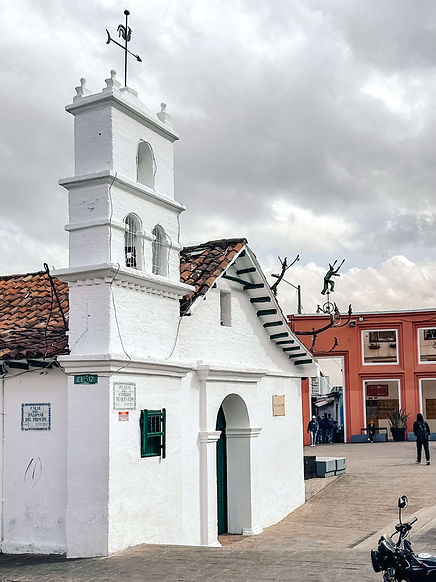
La Candelaria (Historic Center) : This is the beating heart of the city. Cobbled streets, colorful buildings, and colonial architecture create an atmosphere that feels frozen in time. Explore:
Plaza Bolívar
The Capitolio Nacional
The Cathedral Primada
Street vendors, street art, and lively cafés
Gold Museum (Museo del Oro) : One of the most impressive museums in South America. It holds thousands of ancient gold artifacts from pre-Columbian civilizations — a must-see.
Botero Museum : Discover the iconic works of Fernando Botero, Colombia’s most famous artist. His exaggerated, rounded figures are instantly recognizable.
Monserrate Hill : Take the cable car or funicular up to 3,150 meters for unbelievable views of the entire city. Sunrise or sunset is magical.
Usaquén Neighborhood : Chic, calm, and atmospheric. Perfect for strolling around boutiques, brunch spots, and its famous Sunday flea market.
Zona Rosa / Zona T : Bogotá’s modern and lively nightlife district. Trendy restaurants, rooftop bars, and clubs fill this area.
Street Art Tour : Bogotá has some of the most impressive murals in Latin America. Don’t miss a guided graffiti tour to truly understand their cultural meaning.
Food Experiences :Try local specialties such as:
Ajiaco (Bogotá’s most famous soup)
Arepas
Bandeja Paisa
Chocolate completo (with cheese… trust the process!)
We stayed at 👉 Hostal R10, located in the historical center of "La Candelaria", we took a private room with private bathroom, it was nice and clean, for other alternatives, vist our "where to stay in Colombia" section
Discover the best places and activities to do in Bogotà

Day 4–5: Salento
From Bogotá, we took a bus with Expreso Bolivariano to Armenia, then a local shuttle to Salento. Despite the long journey, arriving in Salento instantly washed away any travel fatigue. This charming town is one of the highlights of any Colombia trip.
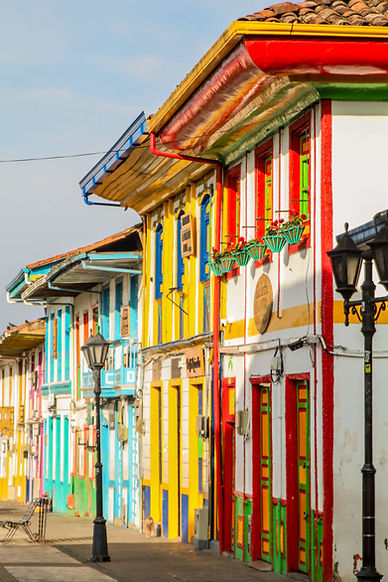
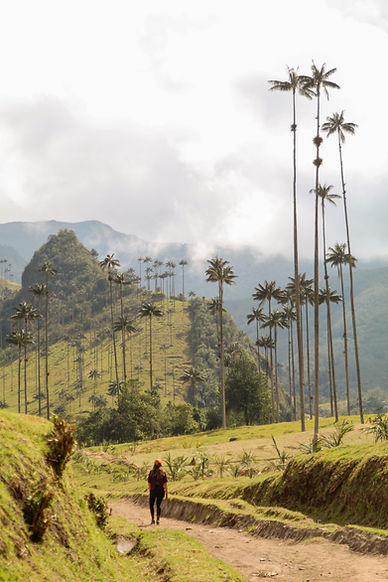
Salento sits in the heart of the Coffee Triangle, surrounded by rolling green hills, colorful houses, friendly locals, and one of the most unique landscapes on Earth, the giant wax palm trees of Cocora Valley, growing over 60 meters high.
Here are the top hightlights of Salento:
Cocora Valley Hike
A must-do. You can follow the loop trail passing through:
The famous wax palm forest
Wooden bridges over rivers
A cloud forest section
Mirador viewpoints overlooking the valley
Coffee Farm Tour (Finca Experience)
Visit a local farm to learn about harvesting, roasting, and tasting Colombia’s legendary coffee.
Explore Salento’s Colorful Town
Walk along Calle Real, full of artisan shops and cafés. Don’t miss the viewpoint Mirador Alto de la Cruz.
Tejo Experience
Play Colombia’s traditional exploding game — unique and fun.
Salento is peaceful, authentic, and unforgettable as we stayed at 👉Coffee Tree Boutique Hostel ($$$), A stunning boutique hotel with one of the best viewpoints in Salento overlooking endless coffee terraces
Read more about the hiddem gem of Salento
Day 6–8: Medellín
The bus ride from Salento to Medellín takes about 7 hours. Medellín, once known for its turbulent past, has transformed into one of South America’s most innovative and dynamic cities. Nicknamed “The City of Eternal Spring,” it enjoys perfect weather year-round.
Medellín is modern, creative, and filled with culture, street art, and community resilience stories.
During our stay in Medellin, we did :
Free Walking Tour (Centro Histórico)
A powerful introduction to Medellín’s history, transformation, and local culture.
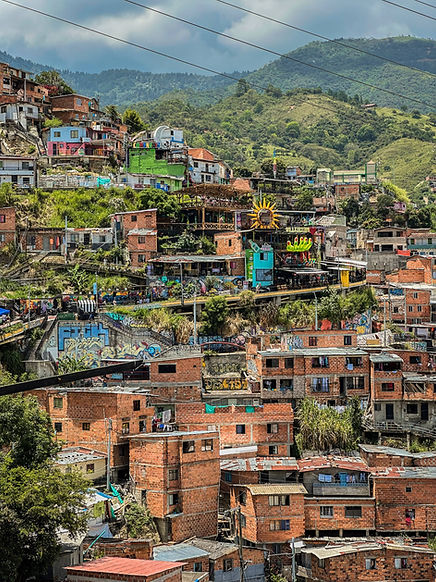
Comuna 13
Once one of the most dangerous places in the world, today it’s a vibrant neighborhood full of:
Colorful murals
Outdoor escalators
Hip-hop dancers
Street performances
Incredible community projects
A guided tour gives deeper insight into its transformation.
Coffee Tasting Workshop
Learn about different brewing methods and taste specialty Colombian coffee.
Plaza Botero
An open-air display of Fernando Botero’s sculptures.
Pueblito Paisa
A small replica of a traditional village with great views of the city.
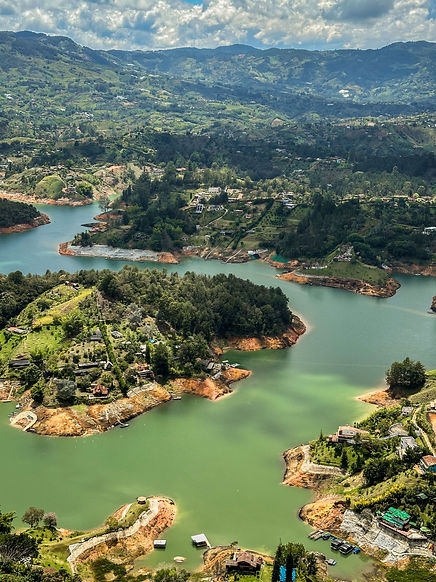
Day Trip to Guatapé & El Peñol
Climb the 740 steps of El Peñol rock for stunning lake views, then explore the colorful village of Guatapé, one of the most photogenic places in Colombia.
We stayed in the recommanded neighberhood of El Poblado at 👉 Hotel Selis ($$$), A modern and comfortable hotel with excellent service and close proximity to El Poblado’s vibrant streets.
Your complete guide to Medellin and Guatapé
Day 9–11: Santa Marta
We took a short domestic flight from Medellín to Santa Marta to reach the northern part of Colombia. As soon as you land, you’ll feel a completely different vibe: tropical heat, Caribbean rhythm, palm trees, and a relaxed atmosphere everywhere.
Santa Marta is a melting pot of travelers, cultures, and coastal lifestyle.
Explore the Historic Center : Walk the colorful lanes, visit the cathedral, and enjoy the evening ambiance.
Quinta de San Pedro Alejandrino
The estate where Simón Bolívar spent his last days.
Marina & Waterfront Walk
Beautiful during sunset with sea views and street food vendors.
Playa Taganga
A small amazing fishing village known for boat trips and diving schools
Santa Marta is also the base for Tayrona Park, Minca, and the Lost City Trek, making it an essential stop in any Colombia itinerary.
We stayed at the charming 👉 Casa Charlotte - Alma Hotels ($$) , A beautiful boutique hotel with stylish rooms and anintimate atmosphere, perfect for relaxing after long days of exploring.
Best things to do in Santa Marta


Day 12–13: Tayrona National Park
Only about 45 minutes by bus from Santa Marta, Tayrona National Park is one of the most extraordinary natural areas in Colombia. Its mix of jungle, wildlife, and turquoise beaches feels like a dream.
We arrived around 9 a.m., left our bags at the reception of our accommodation inside the park, and began our trek at 10 a.m.
We felt in love with this place, it' a seren and untouched environment with lush rainforest merging with pristine beaches and Crystal-clear waters, and very biodiversity (monkeys, birds, reptiles). We also met the Sacred Indigenous people still living there
for the day trek we were able to visit :
Playa Arrecifes : a long, wild beach with big waves
Playa La Piscina : calm waters perfect for swimming
Cabo San Juan : the most iconic spot in Tayrona, absolutely stunning.
Along the way we saw multiple bird species and even heard the distant roar of a jaguar, an unforgettable moment.
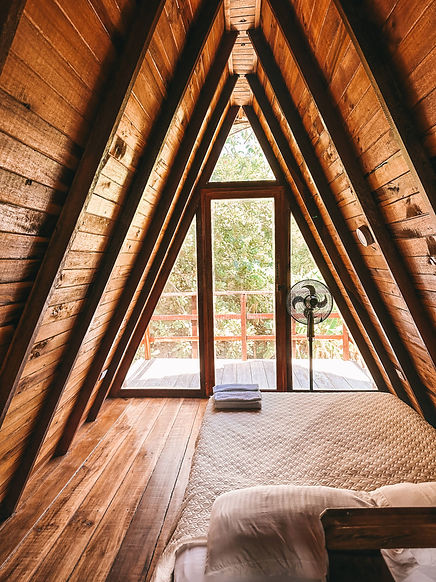
We spent one night in a private cabana inside the park at 👉 Tiny Houses Unique Tayrona – Dentro del Parque Tayrona ($$$), surrounded by jungle sounds. The experience was magical, waking up in nature with sunrise over the sea is something that stays with you forever.
How to spend a night inside the parc of Tayrona

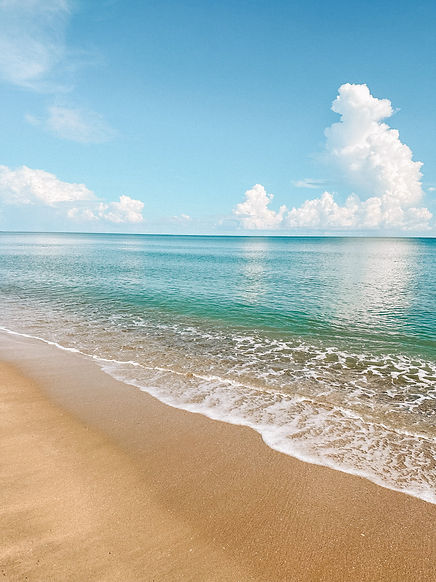
Day 14–16: Palomino
From Tayrona, we continued to Palomino, a hidden gem on the northern coast. This small beach town has become a favorite among backpackers for its relaxed vibe, eco-friendly stays, and long stretches of quiet beaches.
Palomino is the perfect place to slow down, disconnect, and enjoy the Caribbean at your own pace.
We stayed at 👉 Tiki Hut Hostel ($$), A fun, tropical stay with a pool, great social areas, and a perfect beach front vibe
All you need to know about Palomino

Day 17–20: Cartagena
To end our Colombia adventure, we traveled by bus from Palomino to Cartagena (with a transfer in Santa Marta).
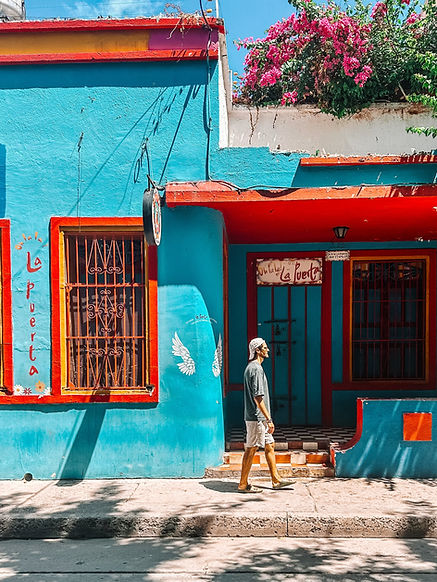
Cartagena is the heart of Caribbean Colombia, a city of music, colonial charm, and tropical flavors. As soon as you arrive, you're surrounded by colors, flowers, balconies, lively plazas, and historic fortifications overlooking the ocean.
The city feels like a painting brought to life.
Here are the top highlights of the places we visited in Cartagena :
Walled City (Ciudad Amurallada) : Cobblestone streets, bright facades, artisan markets, cafés, and historic churches. A UNESCO World Heritage site.
Getsemaní Neighborhood : Street art, nightlife, music, dancing, and bohemian energy. Don't miss Plaza de la Trinidad.
San Felipe Castle : A massive fortress offering great views and fascinating insights into Cartagena’s history.
Bocagrande : The modern district with beaches, high-rise buildings, and restaurants.
We stayed at 👉 Balcones de Venecia ($$), in the heart of of Getsemaní neigherhood where music echoing everywhere, locals dancing, and aromas of Caribbean cuisine filling the streets.
Discover the best places and things to do in Catagena
Where to Stay in Colombia ?
We carefully selected accommodations that offered comfort and convenience. Our chosen stays enhanced our exploration and provided moments of relaxation throughout our adventure.
Where to Stay in Bogotá?
La Candelaria is by far the best neighborhood to stay in. Located in the historic heart of the city, it offers easy access to major attractions and countless cafés, restaurants, and boutiques. The area is full of colonial charm, colorful streets, and vibrant street art, making it both picturesque and culturally rich. Staying here allows you to explore Bogotá on foot.
Our stay: 👉 Hostal R10 ($), Ideally located just steps away from Bogotá’s main attractions, perfect for exploring on foot.
👉 Hotel Casa de la Luz ($$)
👉 Sociatel Candelaria Bogotá ($$)
👉 Hotel De La Opera ($$$$)
Where to Stay in Salento ?
Salento is a tiny town where everything is accessible on foot. Because of its elevated location, we recommend staying on the surrounding hills for incredible panoramic views over coffee plantations and mountain landscapes.
Our Stay : 👉Coffee Tree Boutique Hostel ($$$), A stunning boutique option with one of the best viewpoints in Salento overlooking endless coffee terraces
👉 Hostal El Quinde ($$)
👉 La Posada de la Plaza ($)
👉 Hotel Salento Real Eje Cafetero ($$$)
Where to Stay in Medellín?
Choosing the right neighborhood in Medellín is key to ensuring a safe and enjoyable stay. For travelers, El Poblado is the top choice, central, trendy, and packed with restaurants, cafés, coworking spaces, and nightlife. It offers a secure environment and easy access to transportation.
Our stay :👉 Hotel Selis ($$$), A modern and comfortable hotel with excellent service and close proximity to El Poblado’s vibrant streets.
👉 Origen Hotel Boutique ($$)
👉 Hashtag 98 Hotel By Jalo ($$$)
👉 Hotel Marquee Medellín ($$$$)
Where to Stay in Santa Marta?
In Santa Marta, staying near the historic city center, around the area of the Cathedral, is the perfect choice. It gives you direct access to restaurants, bars, important landmarks, and the seaside promenade.
Our stay : 👉 Casa Charlotte - Alma Hotels ($$) , A beautiful boutique hotel with stylish rooms and anintimate atmosphere, perfect for relaxing after long days of exploring.
👉 Oasis Fresh Hotel ($$)
👉 Masaya Santa Marta ($$)
👉 Hotel Boutique Casa Carolina ($$$)

Where to Stay in Tayrona ?
We opted to stay inside Tayrona National Park for a truly unique adventure. Inside the park, you can choose between camping areas for nature lovers or eco-lodges for more comfort. Spending the night here is magical, we disconnect completely and wake up surrounded by untouched jungle, wildlife, and the sounds of nature.
Our Stay : 👉 Tiny Houses Unique Tayrona – Dentro del Parque Tayrona ($$$), A very comfortable two-story eco-lodge, perfect for disconnecting and immersing yourself in Tayrona’s extraordinary ecosystem.
👉 Zirumake Hostel Dentro del Parque Tayrona ($$)
👉 Zirwa Hotel Boutique Dentro del Parque Tayrona ($$$$)
Where to Stay in Palomino ?
In Palomino, the ideal location is close to the beach, where you can enjoy the relaxed coastal lifestyle and the sound of the waves—all while being near restaurants and surf spots.
Our Stay : 👉 Tiki Hut Hostel ($$), A fun, tropical stay with a pool, great social areas, and a perfect beach front vibe
Where to Stay in Cartagena ?
For Cartagena, it’s best to stay in the Getsemaní neighborhood. This area is vibrant, colorful, and full of murals, local cafés, boutique hotels, and lively plazas. It’s close to all major attractions and offers a more authentic, budget-friendly alternative to the walled city while still being just a short walk away from it.
Our Stay :👉 Balcones de Venecia ($$), A cozy hotel with super warm staff and a great location in the heart of Getsemaní.
👉 Casa Bugó Centro Histórico Hotel Boutique con Desayuno ($$$)
👉 Cartagena Royal Hotel Boutique ($$$)
👉 Casa Del Curato ($$$)

How to get around Colombia safely and efficiently ?
At first glance, Colombia may seem overwhelming to navigate. With vast regions, dense jungles, and bustling cities, many travelers assume that moving around the country is complicated.
But the truth? Getting around Colombia is actually easy and straightforward — as long as you have the right information to make the right choices. Whether you prefer flights, buses, or renting a car, Colombia offers reliable options for every type of traveler.
By Flight
If you’re short on time or traveling long distances, domestic flights are the fastest and most convenient option. Prices are generally affordable, with internal routes often costing between 30–70 USD depending on the season, destination, and how early you book.
The most common flight routes include:
✔️ Bogotá ↔ Medellín
✔️ Bogotá ↔ Cartagena
✔️ Bogotá ↔ Santa Marta
✔️ Medellín ↔ Cartagena
✔️ Medellín ↔ Santa Marta
✔️ Cali ↔ Bogotá / Medellín
Airlines operating in Colombia:
Avianca (largest national airline, most frequent routes)
LATAM (very reliable, usually competitive prices)
Viva Air (budget-friendly when booked early) if currently operating
Wingo (affordable low-cost option)
During our journey, we only took one internal flight, from Medellín to Santa Marta, because this route is quite long by bus
By Bus
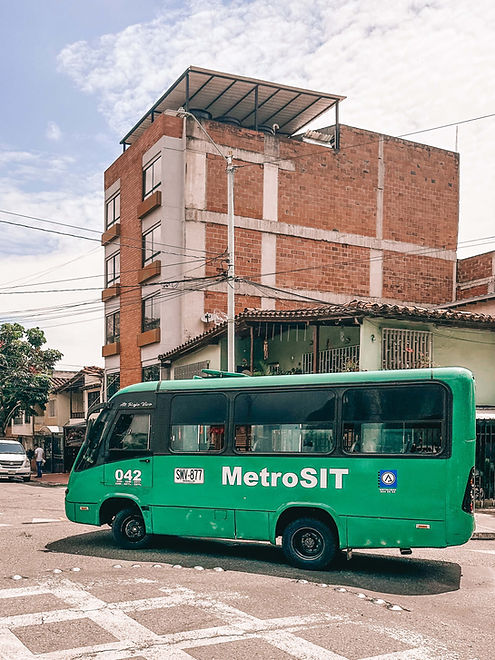
Traveling by bus is one of the most popular and budget-friendly ways to move around Colombia. The country has reliable private bus companies that offer comfort, safety, and surprisingly modern vehicles.
The two companies we used and recommend are:
👉 Expreso Bolivariano
👉 Flota Occidental
We felt safe the entire time as we always travelled during the day, buses respected departure times, and the comfort level was totally adequate for long journeys. It’s the ideal option if you’re traveling with time and want to minimize costs.
Here are the bus routes we used with approximate travel times and prices:
Bogotá → Armenia → Salento ~8 hours / ~12 USD pp
Salento → Medellín ~7–8 hours ·/ ~13 USD pp
Medellín → Guatapé ~1h30–2h ·/ ~5 USD pp
Santa Marta → Tayrona ~45 minutes / ~2 USD pp
Tayrona → Palomino ~1 hour / ~2 USD pp
Cartagena → Santa Marta (with Expreso Bolivariano) Then Santa Marta → Cartagena ( with Berlinas) total ~6–7 hours / ~16 USD pp
Additional bus tips:
Always bring a warm layer — bus AC gets very cold.
Book in advance in copmanies websites for popular dates (weekends / holidays).
Try to travel during the day for mountain routes.
Luggage is tagged and stored securely underneath.
Renting a Car
Renting a car in Colombia is possible, but it’s not the preferred option for most travelers. While it offers freedom and flexibility, there are a few things to consider:
Traffic in big cities (Bogotá, Medellín, Cali) can be intense.
Road conditions vary significantly from region to region.
Mountain roads can be narrow, steep, and affected by weather.
Parking isn’t always easy in colonial centers.
However, renting a car can be a good idea if:
You want to explore rural areas at your own pace.
You’re traveling as a group, sharing the cost.
You’re comfortable driving long distances and adapting to road changes.
If you decide to rent, choose a reliable company (Localiza, Hertz, Avis), take full insurance, and avoid driving at night between cities.
Where to Eat in Colombia, Culinary Highlights & Recommendations
Colombia’s cuisine is a vibrant reflection of its regional diversity — mountain soups, hearty platters, corn cakes, coastal seafood and more. Some of the dishes you absolutely need to try:
Bandeja Paisa : a legendary platter from the Antioquia / Paisa region, loaded with rice, red beans, ground meat or steak, chicharrón (crispy pork belly), a fried egg, plantain, arepa, avocado and chorizo. It’s generous, filling, and shows the abundant, comforting side of Colombian food.
Ajiaco : a soul-warming chicken and potato soup, typical of the Andean highlands (especially the capital). Made with several types of native potatoes, corn and a local herb called “guasca,” served with cream, capers, avocado and often rice on the side — perfect for Bogotá’s cooler climate.
Arepas : corn cakes that can be plain or stuffed/topped depending on region: cheese, egg, meat, avocado… They’re eaten at all hours, everywhere in Colombia. Simple but essential.
Sancocho : a hearty stew found in many regions, usually mixing meat or chicken with root vegetables, yuca, plantain, corn… a comfort meal ideal for colder days or rainy season.
Coastal & Caribbean dishes : on the Caribbean coast expect seafood specialities, coconut-flavored dishes (like rice with coconut), fresh fish or shellfish stews, reflecting the tropical coast vibe.
Colombian breakfasts often include soups like Changua (milk-and-egg soup), or simple corn-based snacks, great if you want something quick and local.
Where to eat in Bogota (La Candelaria)
If you’re staying in the historic center of the capital, here are some top-rated spots to try local flavor:
La Puerta Falsa ($) : iconic and historic (founded 1816), this tiny hole-in-the-wall serves traditional bowls of Ajiaco, tamales and hot chocolate with cheese, a perfect first taste of Bogotá’s culinary soul.
El Mejor Ajiaco del Mundo ($$) : as the name promises, a good place for authentic ajiaco and other creole dishes in a cozy and friendly atmosphere.
Antigua Santafé ($$) : a nice option near the historic center offering traditional dishes, especially ajiaco, in a slightly more relaxed setting than the busiest tourist spots
Café de la Pena ($$) : for a lighter or more café-style meal: this French-Colombian café blends relaxed ambiance, breakfast or lunch options and a pleasant courtyard atmosphere, nice change from heavier meals.
Chopperia GastroPub ($$) : if you want something more casual and international-styled (breakfast, crepes, pub food) but still within La Candelaria, this is a good pick.
Where to eat in Salento
Salento is small and laid-back, here are a few nice spots locals and travellers seem to enjoy
Cafetal22 Salento ($) : a relaxed café offering coffee (after all you are in the Colombian coffee region), snacks and local dishes — ideal for a chill breakfast or lunch.
Brunch de Salento ($$) : a cozy restaurant for brunch/lunch if you're looking for comfort meals after trekking or coffee-valley walks.
El Rincón Paisa ($$) : simple, authentic local cuisine and hearty portions, good for sampling Colombian staples after a day of exploring the valley.
Café Jesús Martín ($$) : known for good coffee, a relaxed atmosphere and friendly staff, a solid choice for breakfast or afternoon snack while enjoying Salento’s laid-back vibe.
La Fonda de Salento ($$$) : slightly more upscale for Salento standards, with a varied menu; a good option if you want a nicer sit-down meal after a day of walking around town.
Because Salento is small and rural, restaurant choices are more modest than in big cities, it's part of its charm


Where to eat in Medellín (El Poblado)
Medellín’s food scene shines especially in trendy neighbourhoods like El Poblado, where traditional Colombian flavors meet modern and upscale cuisine:
El Cielo ($$$) : for a splurge, a fine-dining, tasting-menu restaurant that offers a creative and high-end culinary experience, great for special dinners or foodies wanting refined cuisine.
Carmen ($$$) : another upscale gem, elegant, modern dishes, fresh ingredients, a good balance between sophistication and reasonable price (especially for lunch menus).
El Patio Restaurante Medellín ($$), a more down-to-earth spot with good local and international options, ideal if you're looking for comfort food without breaking the bank.
Mondongos Medellín ($$) : known for hearty traditional dishes (including versions of the famous bandeja paisa), this is a go-to for a filling, classic Colombian meal.
In Situ Medellín ($$-$$$) : a nice restaurant in a pleasant setting, offering a mix of Colombian and continental dishes, good for brunch or relaxed dinners in El Poblado.
Where to eat in Santa Marta (historic centre)
Santa Marta’s historic centre and coastal vibe bring a different flavour, though smaller than big cities, a few good options stand out:
Restaurante Lulo Fresh & Natural ($) : casual, fresh and healthy dishes and fruit juices, ideal after a hot day exploring the city or before heading to the beach / coast.
Ouzo Santa Marta ($$) : cozy Mediterranean/Caribbean fusion restaurant, good for dinner with seafood or light dishes and friendly atmosphere.
Restaurante Lulo Beach ($$-$$$) : a bit more upscale, nice for dinner by the sea or with a relaxed vibe combining local and international flavours.
Cevichería El Ancla ($$) : for seafood lovers, fresh ceviches and other coastal dishes, perfect introduction to Caribbean-style food in Colombia.
Hotel Restaurante Casa de Lentejas ($$) : a simple, traditional place offering local dishes, convenient and often recommended for a no-frills meal.
Eating in Tayrona
Since we stayed only one night inside the park, we kept things simple: snacks, sandwiches, fresh fruit, plus the breakfast included in our stayt. There are no local restaurants inside the park, so it’s best to come prepared or rely on your accommodation’s offers.
Where to eat in Palomino (near the beach)
On the laid-back Caribbean coast in Palomino, beachfront eateries and backpacker-friendly restaurants dominate. Here are good picks if you want local flavours and relaxed vibes:
Tiki Hut Restaurante Palomino ($$) : chill beachfront spot, great for lunch or dinner after a surf or beach day, with simple but tasty food and relaxed vibes.
Maria Mulata Palomino ($$) : popular for good value, friendly service and decent meals, a good basic choice in town.
Casa Cocotte Restaurante Palomino ($$$) : a more refined option in town, serving meals with fresh, local ingredients and occasional vegetarian/vegan options, nice if you’re not after street-food style dining.
Los 7 Mares Palomino ($$-$$$) : seafood and coastal dishes, ideal for a relaxed dinner by the beach after a day of sun and sand.
La Happycleta Palomino ($$) : for a laid-back, boho-style meal, a good fit if you enjoy simple, budget-friendly food with a local, backpacker atmosphere.
Where to eat in Cartagena (Getsemaní / historic / central)
Cartagena’s historic centre and Getsemaní neighbourhood offer a mix of seafood, Caribbean-influenced cuisine and vibrant restaurant scene. Some recommendations:
La Mulata Cartagena ($$) : beloved for its local dishes with a contemporary twist; great for lunch or dinner if you want quality Colombian-Caribbean food.
Cevichería La Cevichería Cartagena ($$-$$$) : fresh seafood and ceviches, ideal for enjoying coastal flavours while wandering Cartagena’s colourful streets.
Celele Cartagena ($$$) : for a more upscale, gourmet experience blending Caribbean influences and modern cuisine, perfect if you want to treat yourself.
Morena Cartagena ($$) : a laid-back, friendly spot offering good food, cocktails and a nice atmosphere, good if you’re looking for something less touristy but well rated.
Restaurante Candé Cartagena ($$-$$$) : a charming restaurant mixing local recipes and Caribbean flavors, nice for dinner after a day exploring Cartagena’s streets and beaches.