The Essential Guide to Bogotà, Salento & Cocora Valley
Salento and the Cocora Valley offer some of Colombia’s most breathtaking landscapes. This vibrant Andean town blends colorful streets, friendly locals, and peaceful mountain life. The Cocora Valley’s surreal scenery makes it one of the most unforgettable places to explore in South America
Salento sits in the heart of Colombia’s Coffee Triangle, surrounded by rolling green hills, colorful colonial houses, and some of the friendliest locals in the country. What makes the region truly unique is the nearby Cocora Valley, home to the world’s tallest wax palm trees, rising dramatically over 60 meters high. The peaceful atmosphere, vibrant colors, and stunning landscapes make Salento an essential stop on any Colombia itinerary.
In this article, we share all our best tips, activities, transport information, and restaurant recommendations for visiting Salento and the Cocora Valley. This charming town is one of 👉 Colombia’s most iconic destinations, and with the right guidance, your trip can become even smoother, easier, and truly unforgettable.

Bogotà

Salento

Guatapé


Medellin
Santa Marta
Tayrona

Cartagena


Cocora Valley
Palomino
Salento best places to visit and activities
1. Explore Salento’s Colorful Town
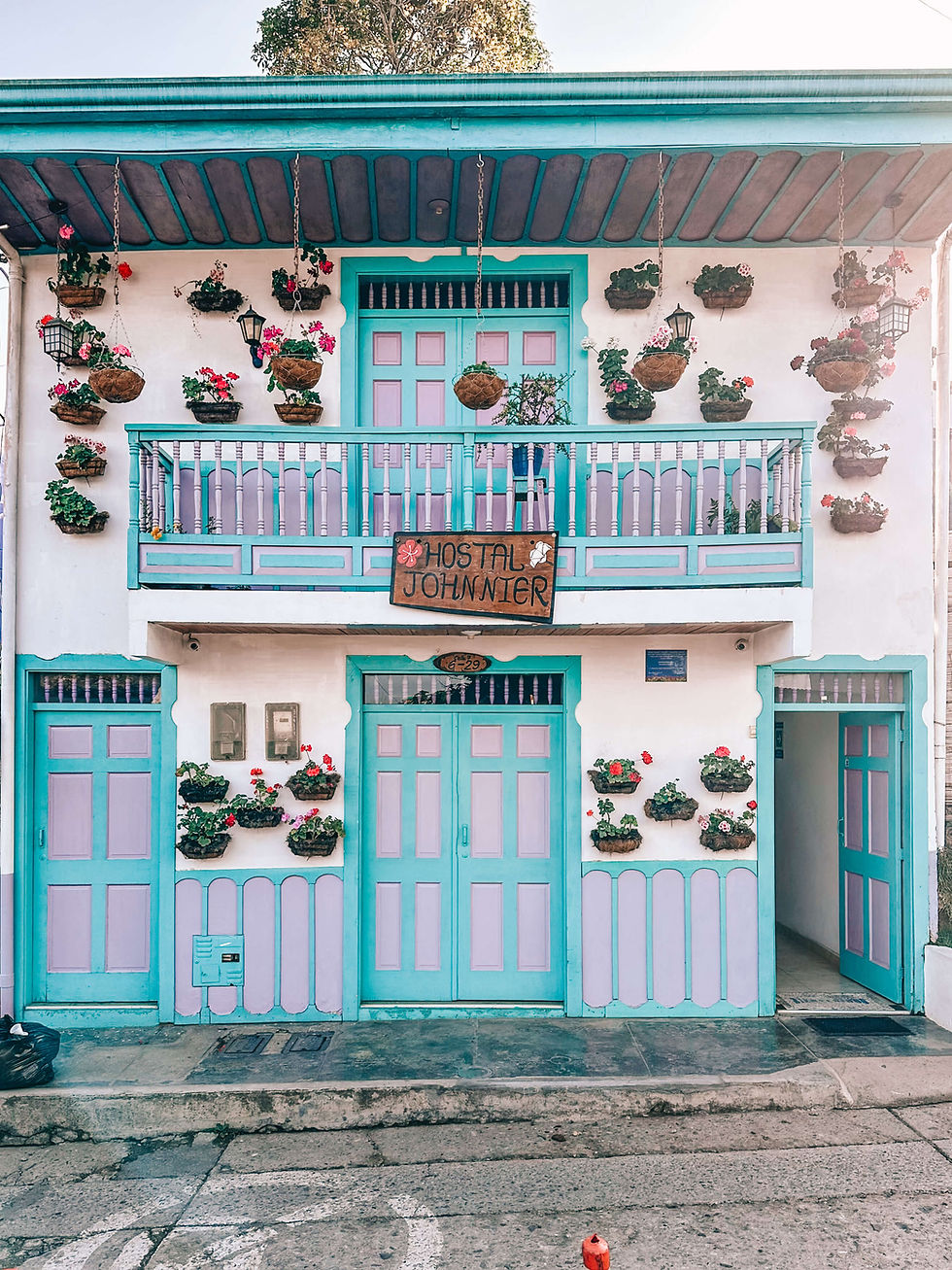
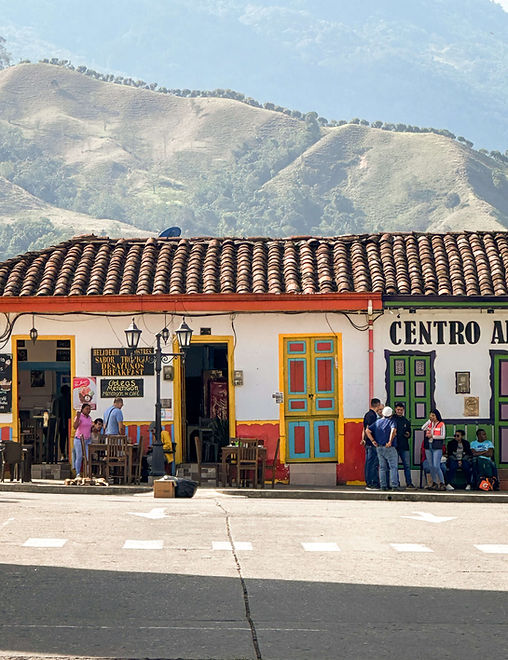
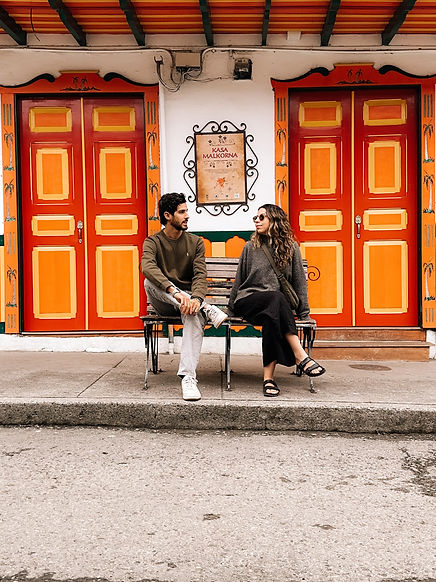
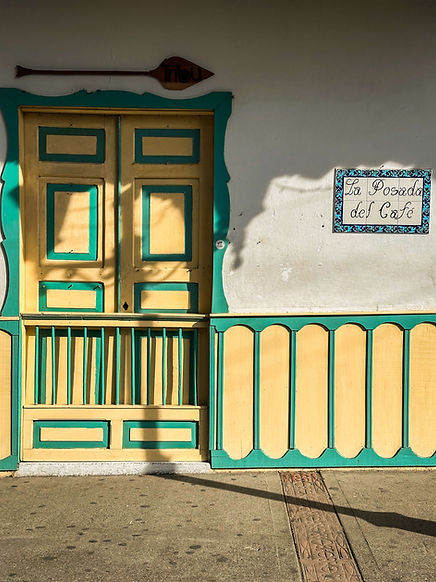
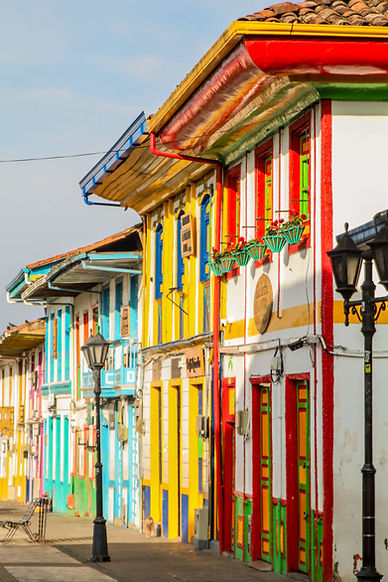
Salento is famous for its brightly painted houses and doors, each decorated with unique patterns and colors. The entire town is walkable and incredibly picturesque, with photogenic corners everywhere you look.
One of our favorite streets is Carrera 6, just behind the Nuestra Señora del Carmen cathedral. It’s quieter, authentic, and perfect for soaking in the town’s charm.
2. Plaza de Bolívar
This is the beating heart of Salento, a lively square where locals gather, street vendors set up their stalls, and travelers relax between excursions. It’s also where you’ll find the iconic colorful Jeep Willys, the main transportation to Cocora Valley. The atmosphere is vibrant all day long.
3. Mirador de Salento
Located at the end of Carrera 4, this viewpoint offers one of the best spots in Salento to catch a sunset! The sun beautifully sets behind the rolling hits, sweeping views over Salento’s green landscape and the surrounding mountains. The stairs to reach it are steep but short, and the reward is absolutely worth it. There are places where you can sit and enjoy the views of Salento!


4. Coffee Farm Tour (Walking Distance from Salento)
Several traditional coffee farms are located just outside Salento, and some can be reached on foot in 30 to 40 minutes.
The two closest options are:
Finca El Ocaso (beautiful setting and great tour, this was the one we visited)
Finca Don Elias (small, family-run, more authentic)
During the tour, we learn about harvesting, drying, roasting, and tasting Colombia’s world-famous coffee. It’s a must-do experience.
5. Visit the Artisan Shops of Calle Real
Calle Real is Salento’s most famous street, full of craft stores, cafés, bakeries, and local workshops. You can buy handmade jewelry, leather goods, and traditional crafts directly from artisans. The street ends at a staircase leading to the Mirador, making it perfect for an afternoon stroll.
6. Try a Tejo Experience
Tejo is Colombia’s traditional “exploding game,” where players throw metal discs toward targets filled with small gunpowder packets, and yes, they explode on impact!
It’s unique, cultural, and surprisingly fun. Several bars around Salento offer Tejo courts, making it a great evening activity with friends.

Where to Stay in Salento ?
Because of its elevated location, we recommend staying on the surrounding hills for incredible panoramic views over coffee plantations and mountain landscapes.
Our Stay : 👉Coffee Tree Boutique Hostel ($$$), A stunning boutique option with one of the best viewpoints in Salento overlooking endless coffee terraces
👉 Hostal El Quinde ($$)
👉 La Posada de la Plaza ($)
👉 Hotel Salento Real Eje Cafetero ($$$)

How to get to Salento from Bogotà ?
Here are all the best options, with approimative prices. We also share the route we personally chose at the end
Option 1: Flying from Bogotá to Pereira or Armenia (Fastest)
Flying is the quickest and most comfortable way to reach Salento from Bogotá. Daily flights operate between Bogotá (BOG) and Pereira (PEI) or Armenia (AXM) with Avianca, LATAM, and Wingo.
A one-way flight usually costs $30–$80 USD. Once you land, you’ll need to reach the bus terminal, which takes around 20–30 minutes by taxi.
From Pereira, buses to Salento take 1–1.5 hours and cost around 10,000–15,000 COP (~$2–$4 USD).
From Armenia, the journey is 45 minutes to 1 hour, with tickets around 8,000–10,000 COP (~$2–$3 USD).
This option is ideal if you are tight on time but it had multiple changes to reach your final destination (Taxi/Bus + flight + Taxi + Bus)
Option 2: Bogotá to Armenia or Pereira by Bus, Then to Salento (Most Reliable & Budget-Friendly)
This is the most reliable and budget-conscious route, especially for travelers who prefer overland journeys. Long-distance buses from Bogotá to Armenia or Pereira take 8–9 hours, with companies like Expreso Bolivariano, offering frequent departures. Tickets cost around 60,000–90,000 COP (~$15–$23 USD)
From Armenia, the bus to Salento costs 8,000–10,000 COP (~$2–$3 USD) and runs every 30–45 minutes.
From Pereira, expect to pay 10,000–15,000 COP (~$2–$4 USD) for the final leg.
This is an excellent option if you want to keep costs low and avoid domestic flights
Option 3: Private Transfer or Rental Car
Renting a car or booking a private transfer gives you full freedom to explore at your own pace. The drive from Bogotá to Salento takes 6–7 hours, passing through beautiful Andean landscapes.
A private transfer generally costs $150–$250 USD.
Rental cars in Bogotá start around $30–$50 USD per day.
It’s best to drive during daytime due to the winding mountain roads.
Our Choice: Bus from Bogotá to Armenia, Then Armenia to Salento
For our trip, we chose the day bus from Bogotá to Armenia, we went with Expresso Bolivariano, then transferred to a local bus from Armenia to Salento. The bus was comfortable, budget-friendly, and we arrived in the afternoon to Salento
Bogotá → Armenia: ~60,000 COP (~$15 USD)
Armenia → Salento: ~8,000 COP (~$2 USD)
If you’re traveling long-term or backpacking through Colombia, this is a reliable and economical route.


Discover our restaurant's recommendation in Salento
Salento is small and laid-back, here are a few nice spots locals and travellers seem to enjoy
Cafetal22 Salento ($) : a relaxed café offering coffee (after all you are in the Colombian coffee region), snacks and local dishes — ideal for a chill breakfast or lunch.
Brunch de Salento ($$) : a cozy restaurant for brunch/lunch if you're looking for comfort meals after trekking or coffee-valley walks.
El Rincón Paisa ($$) : simple, authentic local cuisine and hearty portions, good for sampling Colombian staples after a day of exploring the valley.
Café Jesús Martín ($$) : known for good coffee, a relaxed atmosphere and friendly staff, a solid choice for breakfast or afternoon snack while enjoying Salento’s laid-back vibe.
La Fonda de Salento ($$$) : slightly more upscale for Salento standards, with a varied menu; a good option if you want a nicer sit-down meal after a day of walking around town.
Because Salento is small and rural, restaurant choices are more modest than in big cities, it's part of its charm

Cocora Valley & The Giant Wax Palms
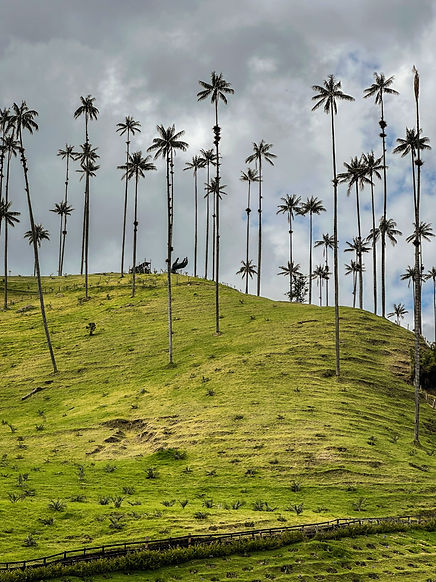
Cocora Valley is one of Colombia’s most iconic natural wonders, famous for its towering wax palms, the tallest palm trees on Earth, reaching up to 60 meters high. The valley is part of Los Nevados National Park and offers a surreal mix of cloud forest, open fields, and misty mountain views.
To start the hike, we first arrived at the main Cocora Valley entrance, where all visitors must purchase an entry ticket. The combined access fee (for both the valley + palm forest viewpoint) is around 20,000 COP (≈ 5 USD) per person. Payment is made directly at the small desks before entering the trail.
The loop trail takes you through a mix of landscapes: open fields with panoramic views of the wax palms, suspension bridges over small rivers, forested paths leading into the cloud forest, and elevated viewpoints overlooking the valley. The complete loop is moderate in difficulty, nothing too technical, but the muddy sections and elevation gain make it a bit challenging at times.
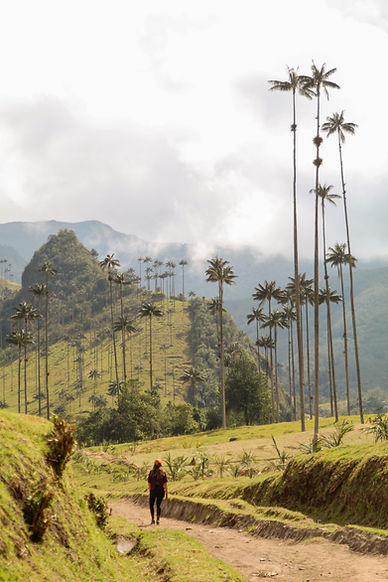

We spent 4 to 5 hours exploring the entire loop at a relaxed pace, stopping frequently to enjoy the views and take photos. The absolute highlight for us was the viewpoint area facing the iconic clusters of giant wax palms, an unreal sight that makes Cocora Valley one of the most photogenic places in Colombia.
Before heading out, we made sure to bring essentials:
Water (at least 1–1.5L per person)
Snacks or a small lunch
A rain jacket (weather changes fast in the cloud forest)
Comfortable hiking shoes (muddy terrain!)
Sunscreen & hat
Cash for entrance fees and jeeps

How to get to Cocora Valley from Salento ?
From Salento, the easiest and most fun way to reach Cocora Valley is by taking one of the iconic shared “Willy” jeeps that depart from the main square, Plaza de Bolívar. The ride takes about 25–30 minutes depending on traffic and the number of stops.
The fare is low, typically around COP 4,000–5,000 per person one way (about USD 2). Because the jeeps are shared, the ride often becomes a fun, social experience, you’ll meet other travellers, enjoy open-air views, and travel like a local.
For the return, it’s just as easy: when you finish your hike in Cocora Valley, you’ll find Willys waiting near the parking/entrance area to bring you back to Salento.

Bogotá, the Capital of Culture and History
Explore the Historic Heart:
Bogotá, Colombia’s high-altitude capital at 2,640 meters, combines colonial charm with modern energy. Start your exploration in La Candelaria, the historic center with cobbled streets, colorful buildings, and cultural landmarks. Key spots include:
Plaza Bolívar : the main square surrounded by the Cathedral Primada, Capitolio Nacional, and city hall. Free entry. A hub for locals and street performers.
Gold Museum (Museo del Oro) : houses over 55,000 pre-Columbian gold artifacts. Entry: ~4,000 COP (~1 USD). Open daily.
Botero Museum : showcases Fernando Botero’s iconic, voluminous art. Free entry. A must for art lovers.
Street Art Tours : Bogotá boasts some of the most impressive murals in Latin America. Guided tours available from 50,000 COP (~13 USD).
Monserrate Hill : take the cable car or funicular to 3,150 meters for panoramic views. Round-trip: ~25,000 COP (~6 USD). Sunrise or sunset is magical.

Other Neighborhoods
Bogotá offers a mix of neighborhoods to explore beyond the historic center:
Usaquén – chic and calm, perfect for boutiques, brunch, and the famous Sunday flea market.
Zona Rosa / Zona T – the lively nightlife district with trendy restaurants, rooftop bars, and clubs.
Quinta de San Pedro Alejandrino – a historical estate where Simón Bolívar spent his last days. Entry: ~15,000 COP (~4 USD).
Free Walking Tour
One of the best ways to start exploring Bogotá is with a Free Walking Tour. These tours are incredibly practical for first-time visitors because they provide context, history, and insider tips while covering the main landmarks without the stress of navigating on your own. The tours usually start in La Candelaria and last about 2–3 hours. Key highlights covered include Plaza Bolívar, the Capitolio Nacional, the Cathedral Primada, Botero Museum, vibrant street art murals, and colonial streets with colorful buildings. Guides share stories about Bogotá’s history, culture, and local life, and you also learn where to eat, drink, and shop like a local. The tour is “free” in name, participants tip what they feel is appropriate (usually around 20,000–30,000 COP / 5–8 USD). Beyond giving a great overview of the city, it’s also a fun way to meet other travelers and get practical advice for the rest of your Bogotá adventure.
Discover our Hotel's recommendations in Bogotà
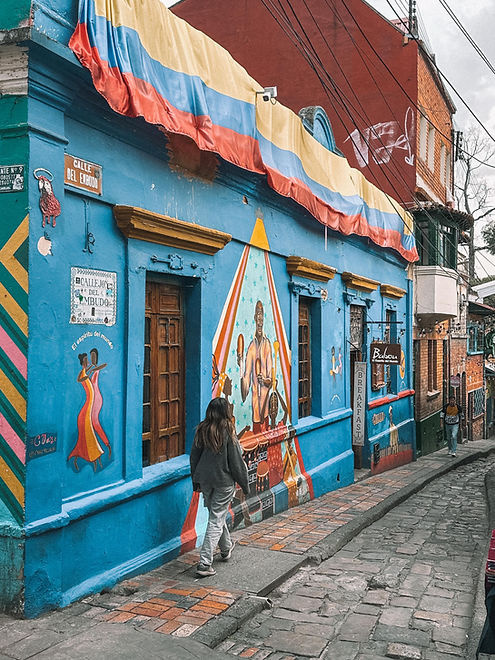
La Candelaria is by far the best neighborhood to stay in. Located in the historic heart of the city, it offers easy access to major attractions and countless cafés, restaurants, and boutiques. The area is full of colonial charm, colorful streets, and vibrant street art, making it both picturesque and culturally rich. Staying here allows you to explore Bogotá on foot.
Our stay: 👉 Hostal R10 ($), Ideally located just steps away from Bogotá’s main attractions, perfect for exploring on foot.
👉 Hotel Casa de la Luz ($$)
👉 Sociatel Candelaria Bogotá ($$)
👉 Hotel De La Opera ($$$$)


Where to eat in Bogotà ?
If you’re staying in the historic center of the capital, here are some top-rated spots to try local flavor:
La Puerta Falsa ($) : iconic and historic (founded 1816), this tiny hole-in-the-wall serves traditional bowls of Ajiaco, tamales and hot chocolate with cheese, a perfect first taste of Bogotá’s culinary soul.
El Mejor Ajiaco del Mundo ($$) : as the name promises, a good place for authentic ajiaco and other creole dishes in a cozy and friendly atmosphere.
Antigua Santafé ($$) : a nice option near the historic center offering traditional dishes, especially ajiaco, in a slightly more relaxed setting than the busiest tourist spots
Café de la Pena ($$) : for a lighter or more café-style meal: this French-Colombian café blends relaxed ambiance, breakfast or lunch options and a pleasant courtyard atmosphere, nice change from heavier meals.
Chopperia GastroPub ($$) : if you want something more casual and international-styled (breakfast, crepes, pub food) but still within La Candelaria, this is a good pick.

